
FREQUENTLY ASKED QUESTIONS
General Questions
-
Microcement is a seamless, hand-applied decorative surface used for floors, walls, wet areas, and architectural elements. Applied in multiple thin layers, it creates a refined concrete- or stone-like finish with no grout lines.
We offer two distinct microcement systems, selected based on performance requirements, traffic levels, and intended use:
Micropox – Epoxy-Based Microcement
A premium, high-performance system engineered for exceptional durability, density, and chemical resistance. With a surface hardness of approximately 171 MPa, Micropox is ideal for:
Commercial environments
High-traffic residential areas
Hospitality and retail spaces
Areas requiring maximum strength and longevity
Microcril – Cement-Based Microcement
A natural, cement-based system with a softer, more organic appearance and visible movement. With a surface hardness of approximately 60 MPa, Microcril is best suited to:
Residential interiors
Decorative applications
Light to moderate traffic areas
Both systems are seamless, customisable in colour and texture, and entirely hand-applied, resulting in a bespoke architectural finish.
-
The key difference lies in performance, composition, and intended use.
Microcement
Performance-driven surface system
Suitable for floors, walls, wet areas, and high-traffic spaces
Sealed for durability and water resistance
Available in epoxy-based (Micropox) and cement-based (Microcril) systems
Venetian Plaster
Lime-based decorative wall finish
Designed for dry interior walls and ceilings only
Focuses on visual depth, texture, and craftsmanship
Not suitable for wet areas, floors, or impact-prone environments
In summary: Microcement is selected for durability and versatility, while Venetian plaster is chosen for refined, decorative wall finishes.
-
Pricing varies based on surface size, substrate condition, complexity, and finish selection. These are bespoke, premium finishes. A site inspection or consultation is recommended for accurate pricing.
-
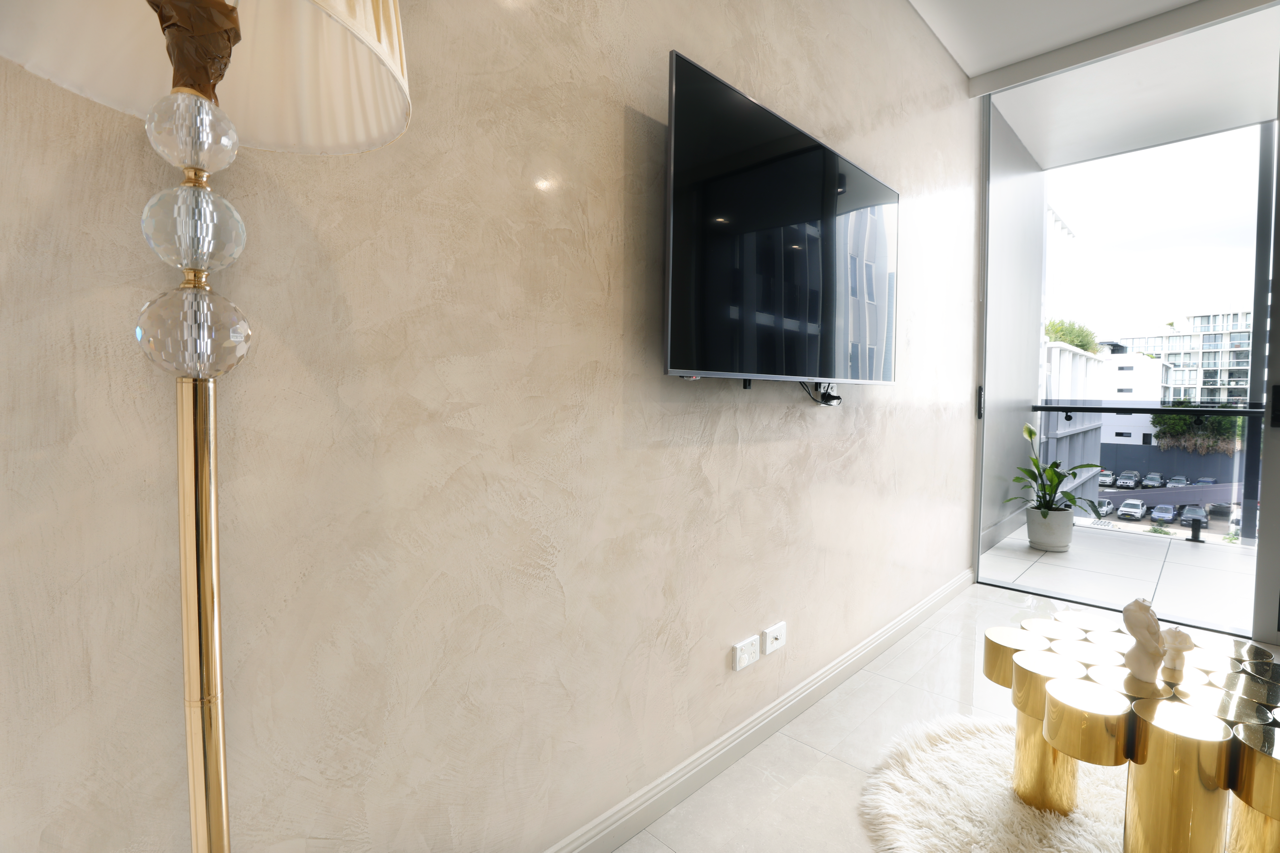
Venetian plaster is a decorative wall finish made from natural materials such as slaked lime, marble dust, and mineral pigments. Applied in multiple thin layers and hand-burnished, it produces depth, movement, and a soft, luxurious surface.
Venetian plaster is valued for its craftsmanship, breathability, and timeless aesthetic rather than surface performance.
-
Yes. Both Microcement and Venetian Plaster are suitable for residential and commercial spaces including homes, retail environments, hospitality venues, offices, and showrooms. System selection depends on usage, traffic, and performance requirements.
-
Yes. We provide a workmanship warranty for our microcement and Venetian plaster applications, giving you confidence that your finished surface is not only beautiful, but professionally and responsibly executed.
Microcement Questions
-
Micropox delivers a smoother, more uniform concrete appearance with minimal movement and maximum durability.
Microcril offers a softer, more organic, burnished concrete look with greater visual movement.
Both systems are waterproof when correctly installed and sealed. The choice depends on:
Aesthetic preference
Traffic level
Functional requirements
Area of application
Micropox is generally recommended for floors and high-use areas, while Microcril is more commonly used on walls, joinery, and decorative surfaces.
-
Microcement can be applied to:
Floors
Walls
Bathrooms and showers
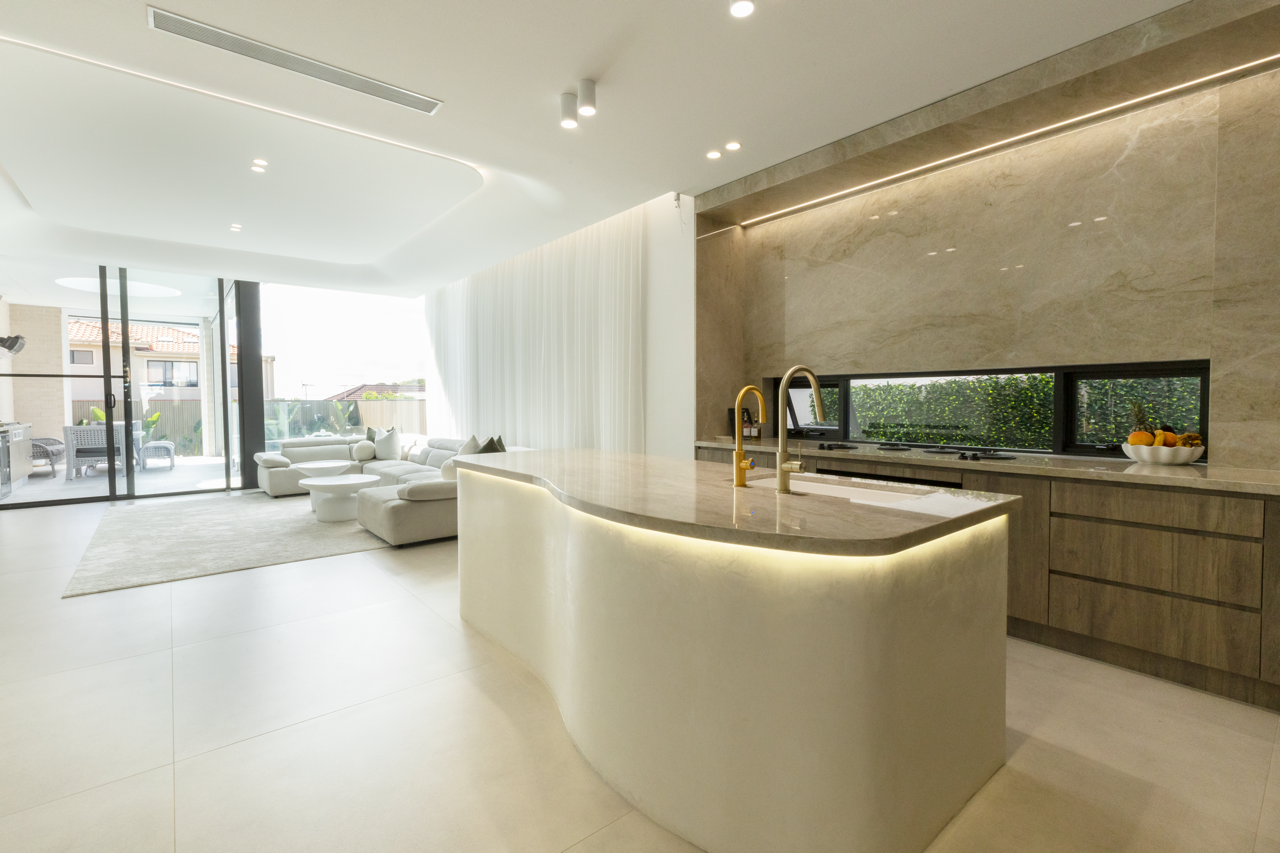
Kitchen splashbacks and benchtops
Staircases
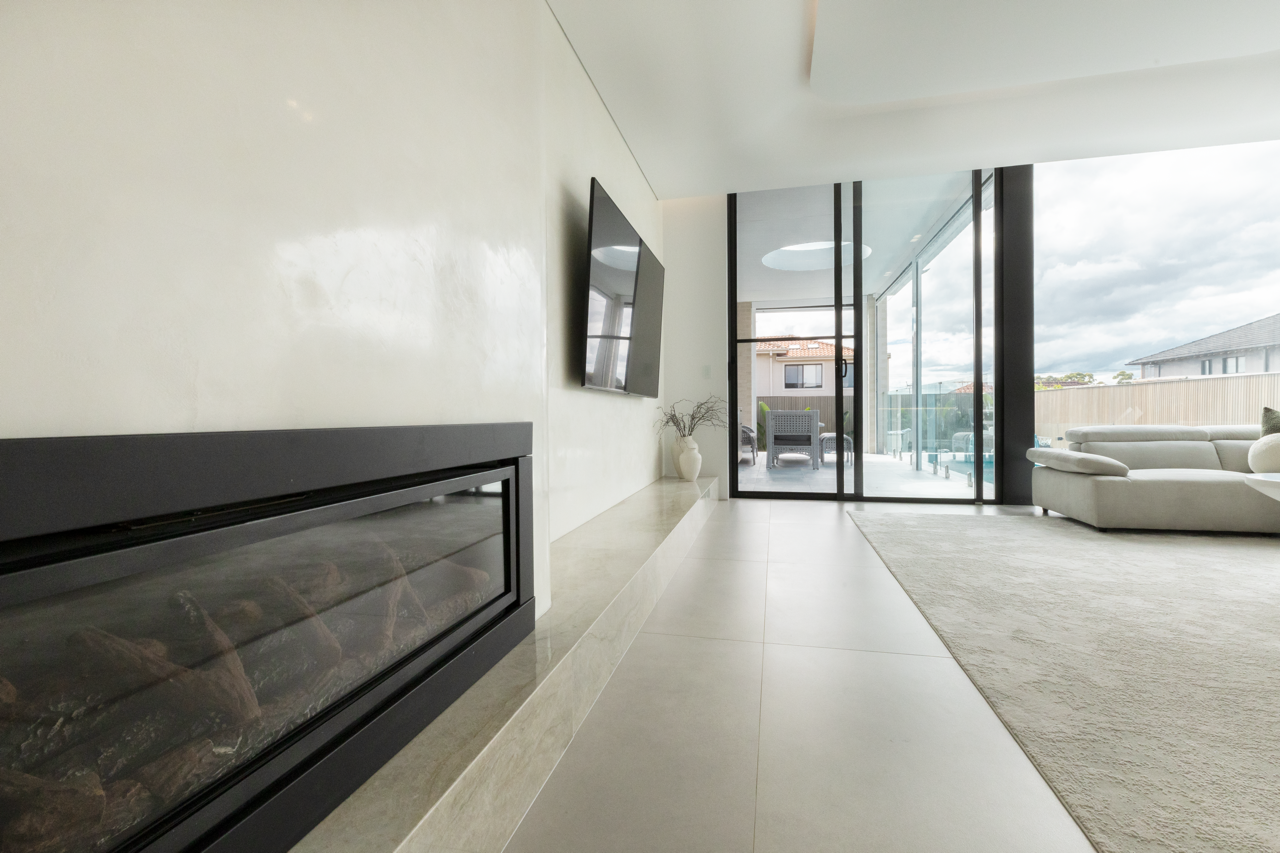
Fireplaces
Furniture and custom joinery
Commercial floors and walls
Different systems are suited to different areas. Consultation is recommended to determine the most appropriate solution.
-
Slip resistance can be adjusted through texture and sealer selection. Different finishes are available depending on the area and safety requirements.
-
Microcement is more flexible than traditional concrete; however, cracking may occur if the substrate moves or is inadequately prepared. Proper surface preparation, reinforcement, and joint management significantly reduce this risk.
-
Microcement is low maintenance.
Clean regularly with a pH-neutral cleaner
Avoid harsh chemicals, bleach, or abrasive tools
Periodic resealing is required depending on wear and usage
-
Yes, provided the substrate is correctly prepared and finished to paint-ready standard before application.
-
Yes. One of the major advantages of microcement is that it can be applied directly over existing tiles and many other substrates, provided correct preparation is carried out.
-
Cement-based microcement (Microcril) is not waterproof on its own. When installed with a proper waterproofing membrane and sealed with professional-grade sealers, it becomes water-resistant and suitable for wet areas.
Epoxy-based microcement (Micropox) is inherently waterproof due to its epoxy composition.
-
When correctly installed, microcement is highly durable and suitable for high-traffic areas. Like any decorative surface, it may scratch under sharp or heavy impact, but overall wear resistance is excellent.
-
Timeframes vary depending on size and complexity:
Residential bathrooms: 5–7 days, plus 2–3 days curing
Full floors or multiple areas: 7–14 days
This includes drying times between coats and sealing.
-
Yes, microcement can be patched; however, perfect blending is not guaranteed, especially with:
Light colours
Large, open areas
Because microcement is hand-applied, repaired areas may reflect light, texture, and sealer absorption differently. Over time, patched areas can become more noticeable rather than less.
-
Yes. Microcement can be colour-matched to Dulux paint colours. Due to material differences, the final result typically achieves approximately 60–70% visual match.
Venetian Plaster
-
Venetian plaster is best suited for dry interior areas such as:
Feature walls
Living rooms and bedrooms
Hallways
Ceilings
Fireplaces
Commercial feature spaces
It is not suitable for wet areas or direct water exposure.
-
Venetian plaster is flexible and breathable, reducing the risk of cracking. Cracks may occur if there is substrate movement or structural issues beneath the surface.
-
Available finishes include:
Stucco Veneziano / Mirror Effect
Marmorino Fine
Marmorino Medium
French Raked
Russian Stamp
Split Stone
Other bespoke lime-based finishes:
Terrazzo
Terra Flek
Terra Medium
Santorini
-
With proper installation and care, Venetian plaster can last 20–50 years or more. It does not peel or delaminate like paint.
-
Yes. Small marks or chips can often be repaired by a skilled applicator. Due to its hand-applied nature, blending is done carefully but cannot always be made completely invisible.
-
No. Venetian plaster is not waterproof and should not be used in bathrooms, showers, or wet zones. While breathable and moisture-regulating, prolonged water exposure will damage the surface.
-
Venetian plaster is flexible and breathable, reducing the risk of cracking. Cracks may occur if there is substrate movement or structural issues beneath the surface.
-
Yes. Lime-based Venetian plaster is natural, low-VOC, breathable, and contributes to healthier indoor air quality.
-
Maintenance is minimal:
Dust with a soft cloth
Gently wipe with a damp cloth if needed
Avoid abrasive cleaners
Some finishes may benefit from occasional re-waxing.
-
Yes. Venetian plaster can be colour-matched to Dulux paint colours, with an expected 60–70% visual match due to material differences.


CONTACT US
